

AI was everywhere at this year’s Infobip Shift. Held in Zadar from 13–15 September, the conference brought developers, engineers and technology leaders together around the systems shaping modern software, with artificial intelligence, infrastructure, data and large-scale platforms among its central themes.
But the focus was increasingly less on AI as a standalone technology and more on what happens when it moves into production: when agents, infrastructure and data become part of systems that solve practical problems at scale. That emphasis on real-world application provided a natural setting for another rapidly developing technology field – space.
From AI Systems to Real-World Space Applications
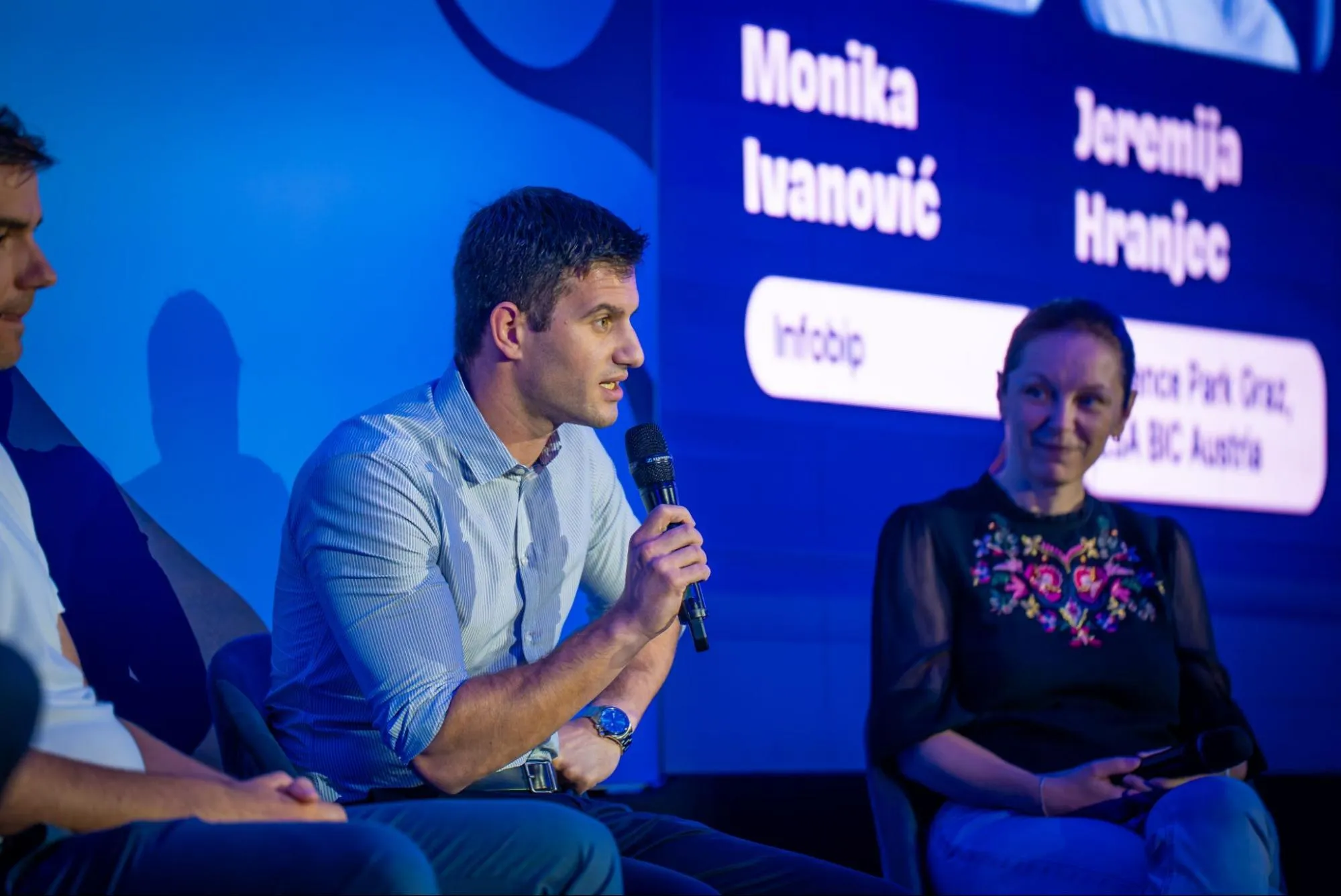
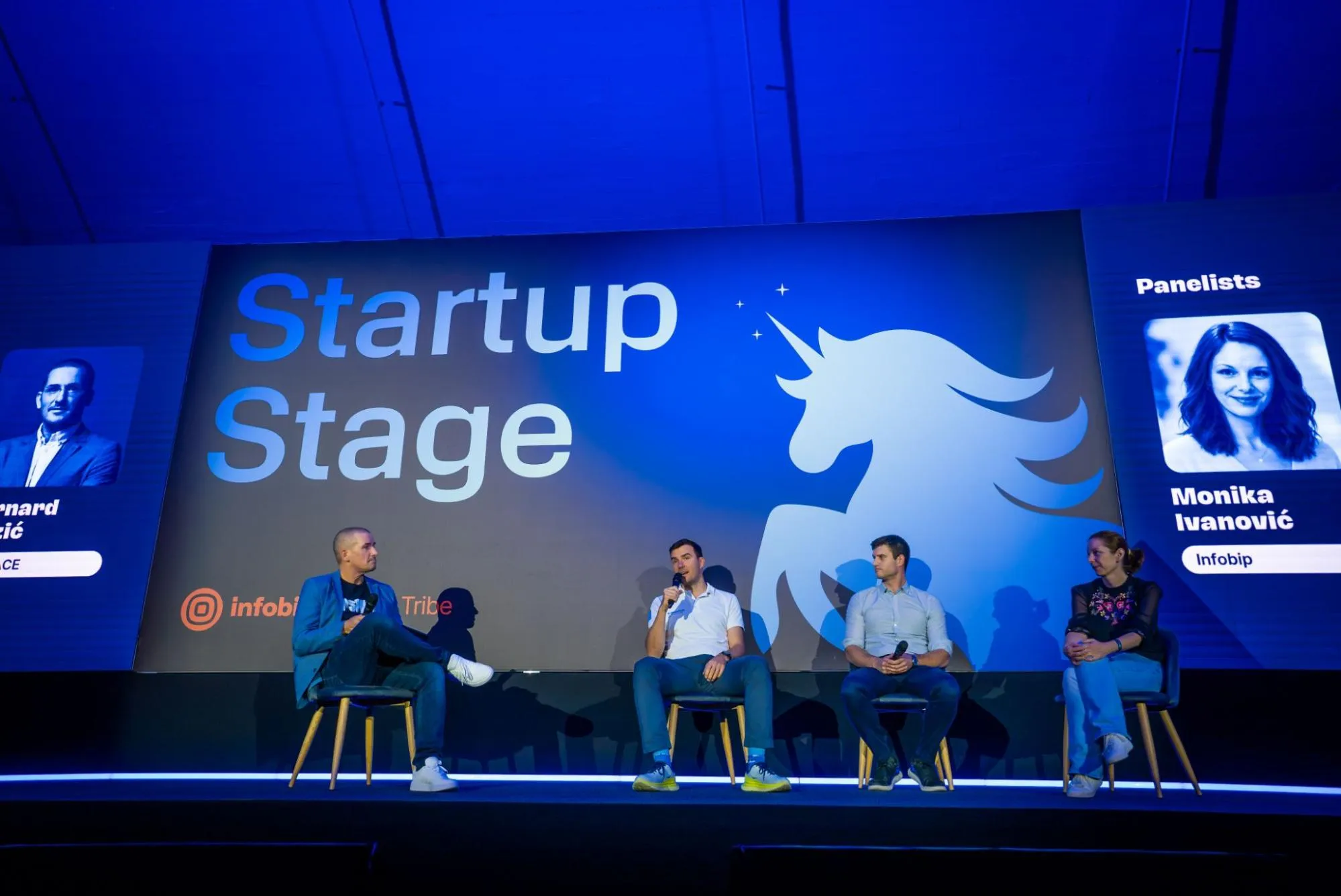
Space technology featured in the programme through the panel “Croatia, We Have Liftoff: Building Croatia’s Space Startup Ecosystem”, which explored what Croatia needs to turn an emerging space sector into a stronger startup ecosystem.
SeaCras CEO and Co-founder Mario Špadina joined Monika Ivanović from Infobip, and Jeremija Hranjec, from Science Park Graz and ESA BIC Austria. The discussion was moderated by Bernard Ivezić, Secretary General of HISPACE.
The panel placed Croatia’s space sector in a wider European context, looking at the connections between ESA programmes, incubation, investment, commercial opportunities and practical applications. As the official Shift agenda notes, Croatia’s space industry remains relatively small, but it is growing and becoming increasingly connected to the European space economy.
Space Tech as Part of the Technology Stack on Earth
For SeaCras, the discussion reflects a wider shift already visible across AI and Earth Observation: the technology itself is only part of the story. What matters is how satellite data and AI are translated into practical tools that can support continuous marine environmental monitoring, reveal changes over time and give organisations a clearer picture of what is happening along their coastlines. In that sense, space technology is moving beyond observation alone and becoming part of the operational infrastructure behind better-informed decisions.
The real value appears when satellite data, AI and other technologies become infrastructure for better decisions, new services and stronger industries – whether that means understanding environmental change, improving monitoring or turning complex datasets into information people can act on.
That is also why space is increasingly relevant far beyond the space industry itself. As we’ve already highlighted at this year’s edition of the conference, the real shift happens when emerging technology moves from possibility to practical application.
For SeaCras, this space-to-Earth connection is already part of everyday operations. By combining high-resolution satellite imagery, remote sensing and AI, we support integrated surveillance of vessels, coastal infrastructure and marine environments, while tracking how conditions and human activity change over time. Our technology can also detect and classify marine pollution, including oil and fuel spills, sewage and blackwater discharges, helping identify both static and dynamic pollution sources across coastal and territorial waters. These capabilities extend to monitoring MARPOL-related pollution, turning Earth Observation data into practical tools for authorities, ports, maritime operators and other organisations responsible for the sea.
At Shift 2026, AI and space tech offered two increasingly connected examples of exactly that. That is where we see space heading too: not as a world apart, but as an increasingly important part of the technology stack here on Earth.